Building and Pest Inspections: What Australian Buyers Must Know
Skipping or misreading a building and pest inspection can cost tens of thousands. Here's how to use them properly before you exchange contracts.

Buying a property without a building and pest inspection is one of the costliest mistakes you can make in Australian real estate. Yet many buyers either skip them to save a few hundred dollars, or receive the report and don't know what they're actually reading. This guide covers what the inspections involve, what to look for, and how to use the findings to your advantage.
What Each Inspection Actually Covers
Building and pest inspections are two separate reports, though they're often ordered together and sometimes conducted on the same visit.
Building inspection: A licensed building inspector assesses the structural and general condition of the property — roof, walls, floors, windows, drainage, and any visible defects. They work to the Australian Standard AS 4349.1. The report will categorise issues as major defects, minor defects, or safety hazards.
Pest inspection: A licensed pest inspector checks for evidence of timber pests — primarily termites, but also borers and wood decay fungi. They use moisture meters, thermal imaging cameras, and tapping to detect activity inside walls and subfloors. This report follows AS 4349.3.
Note that inspectors only assess what's visible and accessible. They won't lift carpet, remove wall cladding, or inspect inside locked roof spaces.
When to Order the Inspections
In most Australian states, you should order inspections before you sign a binding contract or immediately during a cooling-off period. The sequence varies by state:
| State/Territory | Standard approach |
|---|---|
| NSW | During 5-business-day cooling-off period, or before auction |
| VIC | Before auction (no cooling-off at auction); during 3-business-day cooling-off for private sale |
| QLD | During 5-business-day cooling-off period |
| WA | Subject to inspection clause in the offer |
| SA | During cooling-off or as a contract condition |
| ACT | During 5-business-day cooling-off period |
Ready to get started? Post your job free and local buying tradies can quote.
For properties going to auction, you have no cooling-off period after the hammer falls — organise inspections in the weeks before auction day.
How to Choose an Inspector
Not all inspectors are equal. Look for:
- A current licence in your state (requirements vary — check your state's building regulator)
- Membership with the Master Builders Association or similar professional body
- Professional indemnity and public liability insurance
- Experience inspecting the property type you're buying (a character home from the 1930s has different issues from a 2010 apartment)
- A sample report — good inspectors produce clear, photo-rich reports, not vague tick-box forms
Avoid inspectors referred exclusively by the selling agent. Choose your own.
What the Report Is Actually Telling You
A report that lists defects isn't automatically a reason to walk away. Every property has some issues. What you're assessing is severity, cost to fix, and whether defects are already disclosed in the price.
Pay close attention to:
- Major structural defects — cracked footings, subsidence, significant roof damage — these can cost $20,000–$100,000+ to rectify
- Active termite activity or damage — not just past treatment, but live infestation or significant structural timber loss
- Water ingress — rising damp, roof leaks, or poor drainage that has caused ongoing damage
- Unapproved alterations — additions built without council approval can create legal complications and insurance issues
- Safety hazards — asbestos, unsafe balustrades, faulty electrical visible to the inspector
Minor defects like cracked render, stiff door frames, or general wear and tear are normal and should not panic you.
Using the Report as a Negotiating Tool
If the inspection reveals significant issues, you have several options:
- Renegotiate the price — get independent quotes on the defects and ask the vendor to reduce the price accordingly
- Ask the vendor to rectify — request repairs be completed before settlement (get this in writing with specified standards)
- Walk away — if you're within a cooling-off period and the issues are serious enough, withdraw from the contract. You may forfeit a small holding deposit (typically 0.25% in most states), but that's far cheaper than inheriting a structural problem
If you're buying at auction and have done your due diligence beforehand, factor estimated repair costs into your maximum bid.
Actionable Takeaway
Budget $600–$1,000 for combined building and pest inspections — more for large or complex properties. Book them as early as possible, read the full report rather than just the summary, and if anything is unclear, call the inspector directly and ask them to explain the severity in plain language. A thorough inspection is the cheapest insurance you'll buy in the entire property transaction.
Done researching? The next step is getting real quotes.
Get My Quotes — It’s Free →No obligation. Takes 60 seconds.
Business for sale
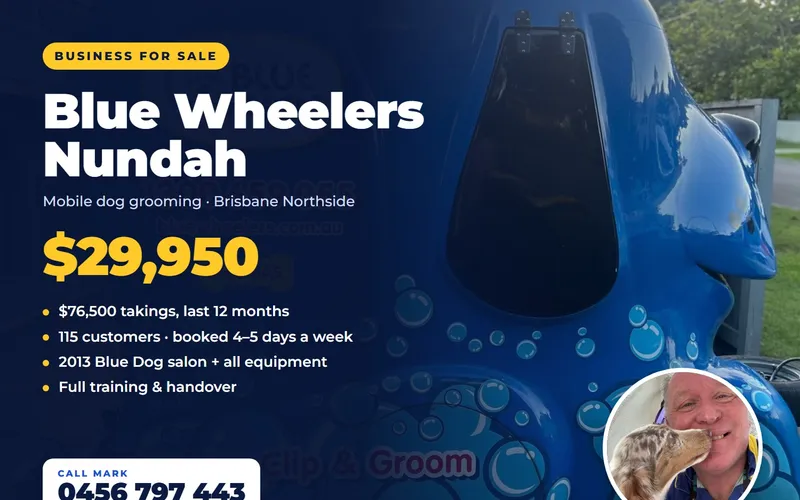
Established Blue Wheelers Mobile Dog Grooming Business – Nundah, Brisbane Northside
Established Blue Wheelers mobile dog grooming business on Brisbane's northside: 115 customers, about $76,500 in takings over the last 12 months, booked 4–5 days a week, with full training and handover.
Local tradies on TradiHub AI
See all →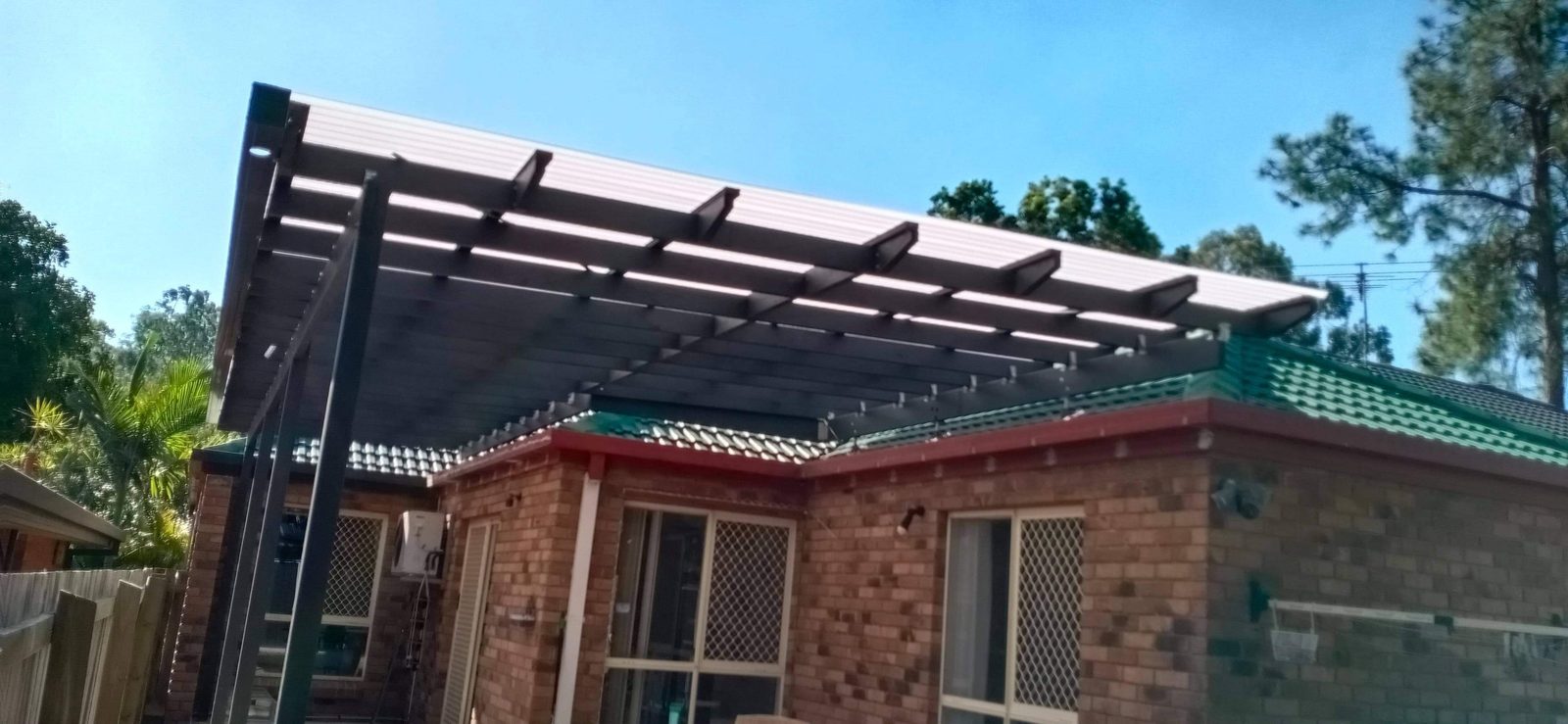
Masteredge Carpentry & Maintenance
Handyman · Carpentry · Decking & Pergolas
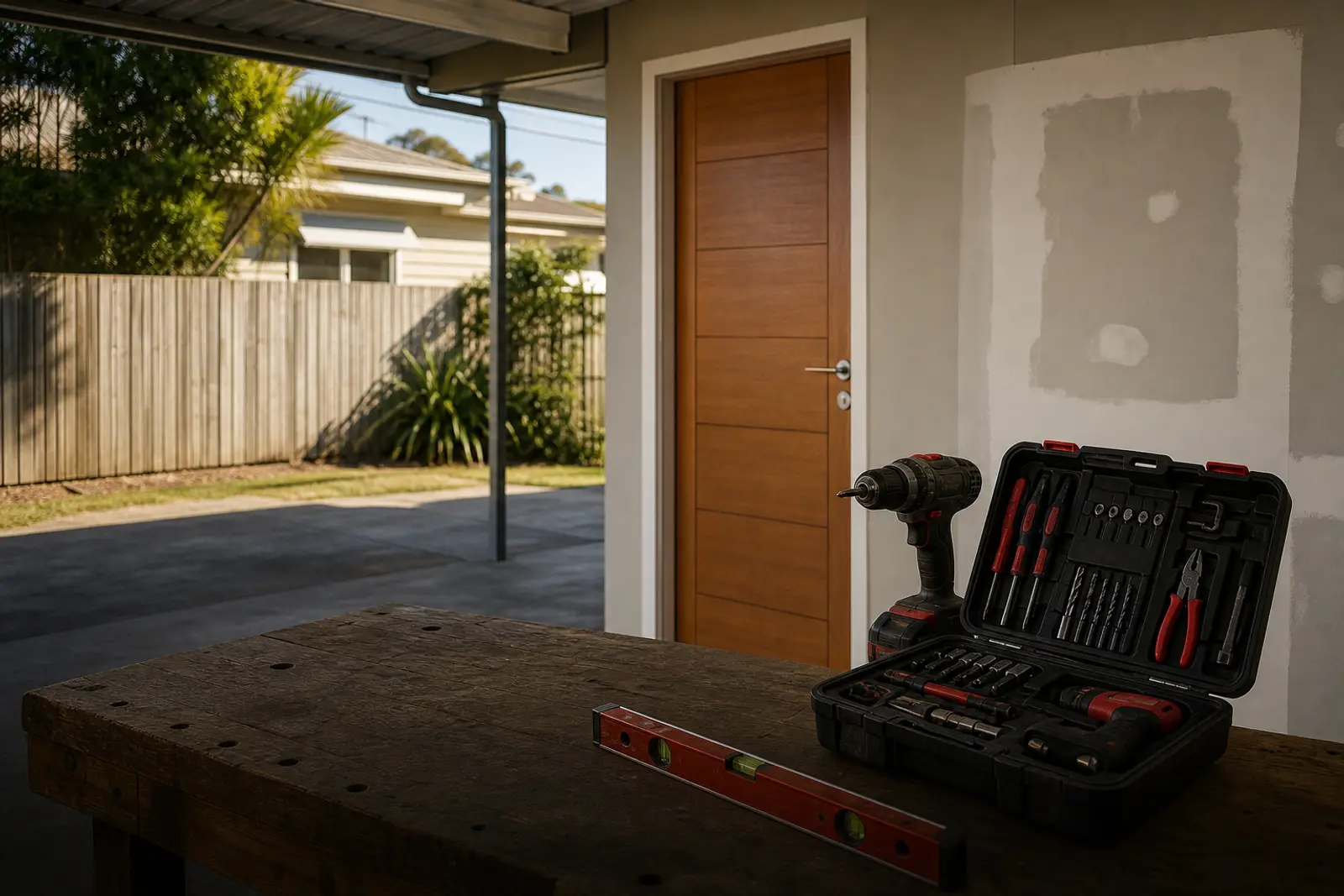
ZC Property Maintenance
Handyman · Painting · Carpentry
More tradies on TradiHub AI
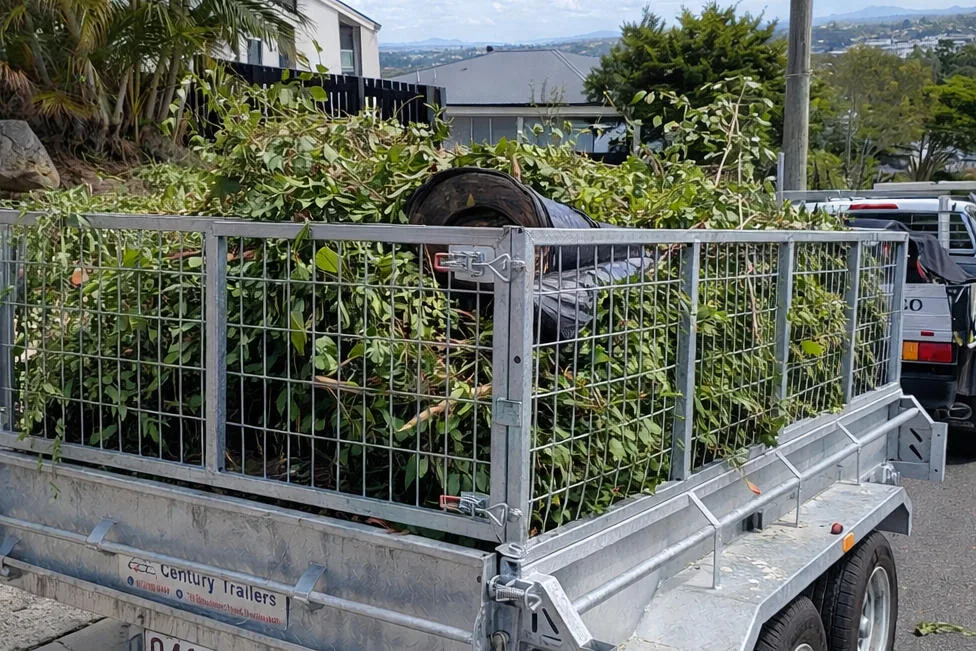
Find local:Roofers in BulimbaRoofers in LoganRoofers in SpringfieldRoofers in Ipswich
For tradies
Tradies: get found by local homeowners
A free-to-start local directory with your real Google reviews and an ABN-checked tick. No per-lead fees, no lock-in. Founding members wanted.